

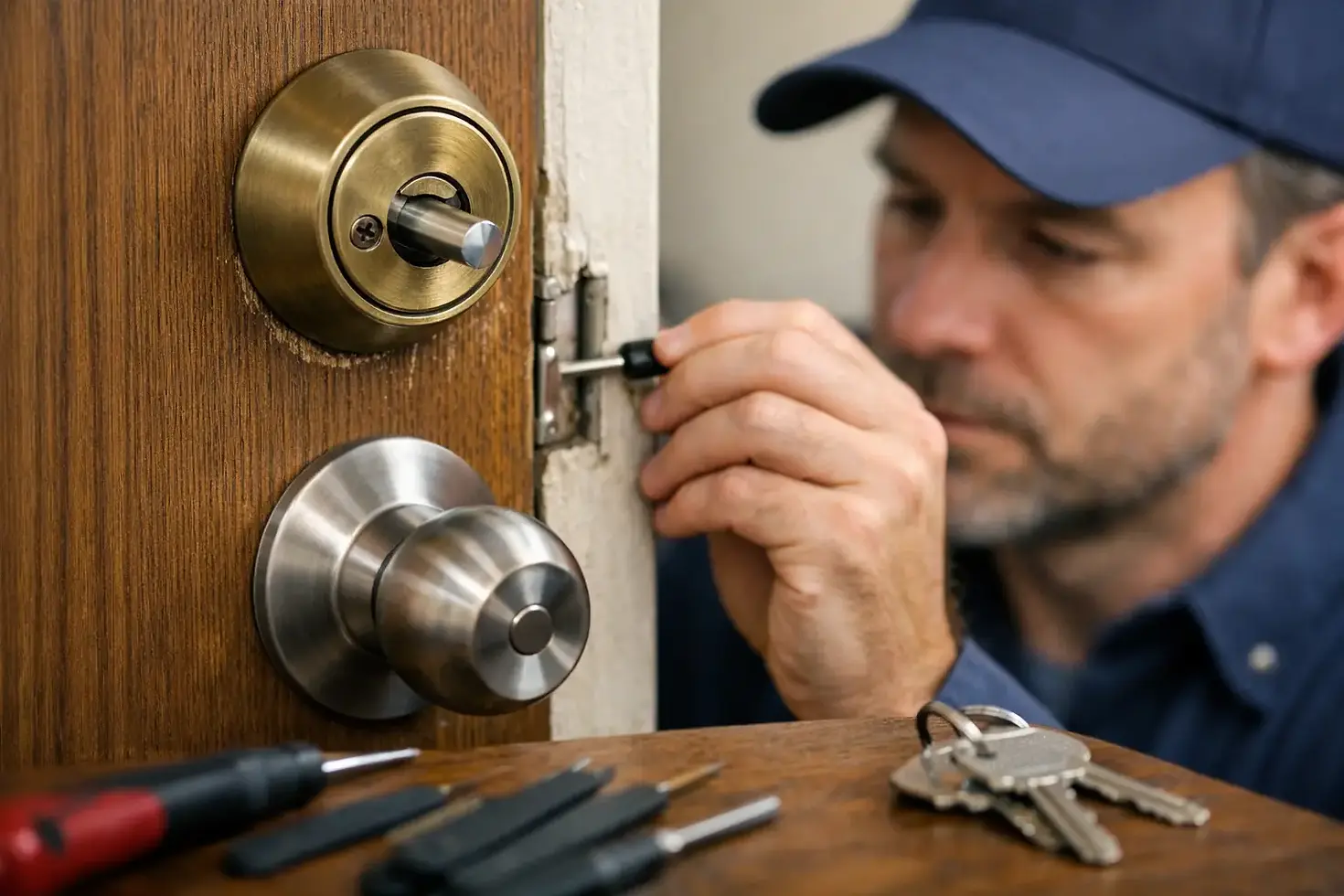
Why Does My Deadbolt Stick? Causes and Fixes

A deadbolt that sticks can turn a normal trip outside into a frustrating lockout - or leave you wondering whether your home is actually secure. If you are asking, “why does my deadbolt stick,” the answer is usually not that the lock has suddenly failed. More often, the bolt and its strike plate are no longer lining up, the key cylinder needs attention, or a worn part inside the lock is starting to bind.
The good news is that many sticking deadbolts can be identified with a few careful checks. The key is to avoid forcing the key or twisting the thumbturn harder. That can bend a key, damage the cylinder, or turn a repairable issue into an urgent replacement.
Why does my deadbolt stick when the door is closed?
The fastest way to narrow down the cause is to test the deadbolt with the door open. Turn the thumbturn or key and watch the bolt move. If it slides in and out smoothly while the door is open but sticks when the door is shut, the lock itself may be fine. The problem is usually alignment.
Your deadbolt has to enter a small opening in the door frame called the strike plate. Even a slight change in the position of the door can make the bolt scrape against the edge of that opening instead of sliding into it. You may notice that lifting the door, pulling it toward you, or pushing it inward makes the deadbolt work. That is a strong sign of a door or strike alignment issue.
Homes move over time. Seasonal temperature changes, moisture, normal settling, loose hinges, and worn weatherstripping can all shift a door enough to affect the deadbolt. In Sacramento-area homes, heat and dry conditions can also cause wood doors and frames to expand, contract, or warp over the years.
Look for loose hinges and shifted hardware
Open the door and check the hinge screws on both the door and frame. Loose screws allow the door to sag, which changes where the bolt meets the strike plate. Tightening visibly loose screws may help, but do not overtighten stripped holes or use a screw that is too long without knowing what is behind the frame.
Also inspect the strike plate. Look for fresh scratches, chipped paint, or metal marks above, below, or beside the bolt opening. Those marks show where the bolt is hitting. A locksmith can reposition the strike plate correctly, reinforce the frame where needed, and make sure the repair does not weaken your door security.
When the key sticks in the deadbolt
If the deadbolt binds with the door open, or only sticks when you use the key from one side, focus on the key and cylinder. A thumbturn that works smoothly while the key resists turning points to a cylinder issue rather than a strike plate problem.
Start by looking closely at the key. A bent, worn, cracked, or heavily copied key may no longer lift the pins inside the cylinder accurately. Try a clean original key or a newer duplicate if you have one. Do not keep using a damaged key just because it still works sometimes. Keys often break at the worst possible moment - while you are trying to leave for work or lock up at night.
Dirt, dust, and old lubricant can also build up inside the keyway. This is especially common with exterior locks that are exposed to wind, rain, pollen, and everyday use. A locksmith-approved dry lock lubricant, such as graphite or a PTFE-based product made for locks, can help when used sparingly. Insert the nozzle carefully, apply a small amount, then work the key gently several times.
Avoid using household oil, grease, or a heavy all-purpose spray as a long-term fix. They can make the lock feel better for a short time, but they often collect dirt and create sticky residue inside the cylinder. Never pour liquid lubricant into the lock or force the key if it will not turn.
Signs the cylinder may be worn or damaged
A deadbolt cylinder may need professional repair or replacement if the key must be jiggled repeatedly, turns only halfway, catches in one direction, or comes out with metal shavings on it. A key that works from the outside but not the inside can also indicate an internal issue.
Older locks, inexpensive hardware, and locks that have been exposed to attempted forced entry are more likely to have damaged internal components. If someone has tried to pry, kick, or manipulate the lock, do not assume lubrication will solve the problem. The deadbolt and door frame should be inspected for security damage.
Common reasons a deadbolt becomes hard to turn
A sticking deadbolt does not always have one single cause. These are the problems locksmiths see most often:
Door sagging or frame movement that misaligns the bolt and strike plate.
Loose, worn, or improperly installed hinges.
A worn, bent, or poorly cut key.
Dust, debris, corrosion, or old lubricant inside the cylinder.
A dry or worn bolt mechanism inside the deadbolt housing.
Loose mounting screws that let the lock shift on the door.
A damaged strike plate, door edge, or frame after impact or an attempted break-in.
For renters, it is worth reporting a sticking deadbolt to the property manager early. A door that does not lock reliably is a safety issue, not just a maintenance inconvenience. Property managers should also take recurring deadbolt problems seriously, especially after tenant turnover, because misaligned or worn locks can lead to lockouts and emergency maintenance calls.
Safe checks you can make before calling a locksmith
A few simple tests can help you describe the problem clearly and may reveal an easy fix. Test the deadbolt with the door open, then closed. Notice whether the key, thumbturn, or both are difficult to operate. Check for loose hinge or lock screws, visible strike-plate rubbing, and damage to the key.
If the bolt is only slightly catching on the strike plate, do not start filing the metal or enlarging the frame opening right away. Removing too much material can make the strike plate less effective and may leave the door vulnerable to forced entry. The correct adjustment depends on why the alignment changed in the first place.
Do not remove the deadbolt while the door is closed or when you are unsure how the parts fit together. Small components can fall out, and a partially disassembled lock can leave you unable to secure the door. If the deadbolt is already stuck in the locked position, avoid repeated hard turns that could snap the key or jam the mechanism further.
When a stuck deadbolt needs professional service
Call a locksmith when the lock is difficult to operate even with the door open, when the key will not turn, or when the bolt will not fully extend into the frame. You should also get prompt help if the lock has been damaged, your key has broken inside, the deadbolt is stuck locked or unlocked, or you cannot secure your home or business.
A professional can diagnose whether the problem calls for adjustment, lock repair, rekeying, or replacement. Repair is often the right choice when the deadbolt is good quality and the issue is alignment or a serviceable internal part. Replacement may make more sense for a badly worn lock, a damaged cylinder, outdated hardware, or a lock that no longer provides the security your property needs.
Quick Pick Locksmith provides dependable residential and commercial lock repair in Sacramento and nearby communities. If your deadbolt is sticking, a technician can check the door, hinges, strike plate, cylinder, and bolt assembly rather than guessing at the cause. For urgent help or to schedule service, call 916-693-5613.
Do not wait until the deadbolt stops working
A deadbolt rarely becomes completely stuck without giving some warning first. If you have to push the door to lock it, jiggle the key, or turn the thumbturn with extra force, schedule a repair before you are locked out or unable to secure the property. A properly working deadbolt should turn smoothly, extend fully, and give you confidence every time you leave home.


Comments